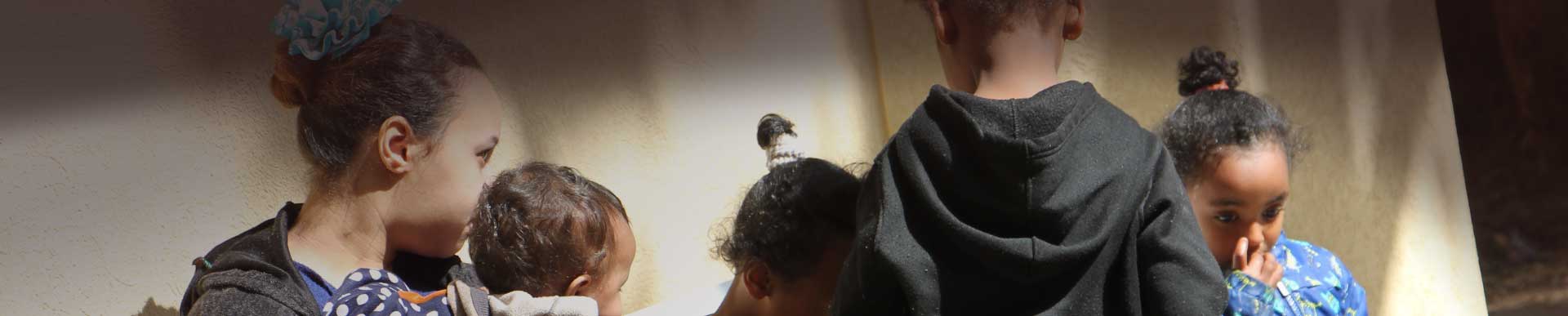
©JRS Líbano



Middle East
Emergency response in Lebanon
The escalation of violence in the region has plunged Lebanon into a new humanitarian crisis. Armed clashes are forcing more than 1 million people to flee their homes, leaving the most vulnerable in a critical situation.
Mass displacement has led to overcrowded shelters, increased basic needs (housing, food, healthcare), and pressure on host communities. Many displaced families are living in precarious conditions or outside formal assistance systems.
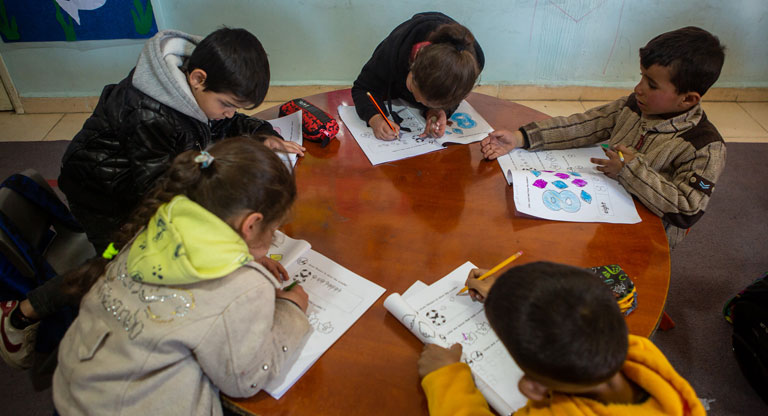
©Carmen Moreno
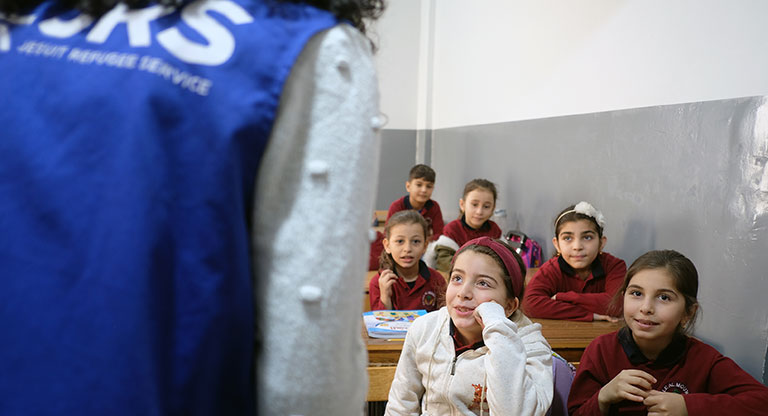
©Iván Benítez
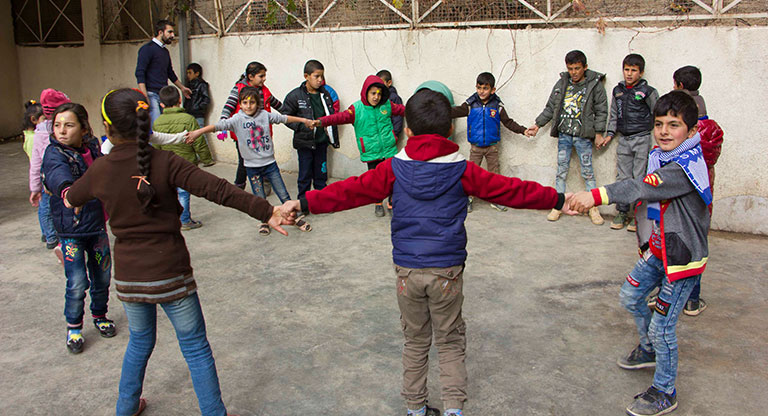
©JRS Líbano
Our work with the Jesuit Refugee Service (JRS)
- Shelter for migrants: In Beirut, Saint Joseph Church (Monnot) has become a safe home for 200 migrant workers. This group faces double vulnerability, as they are often excluded from access to public shelters. There, they receive accommodation, protection, and basic assistance.
- Support for displaced families: We assist those fleeing southern Lebanon, the Bekaa Valley, and the suburbs of Beirut, who are now living in overcrowded shelters and shared apartments.
- Distribution of essential aid: We deliver emergency kits in key areas (Bourj Hammoud, Bar Elias, and Baalbek), including:
/ 1 / Daily food supplies
/ 2 / Bedding items (mattresses, blankets, and pillows)
/ 3 / Hygiene and personal care kits
/ 4 / Baby items (milk and diapers)
Sudan:
The Largest Displacement Crisis in the World
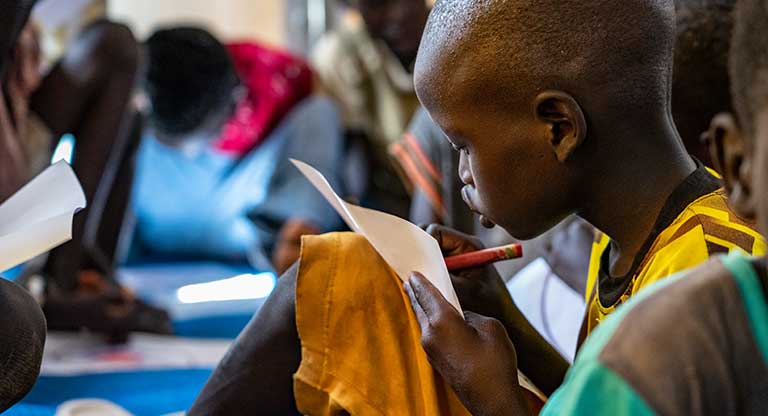
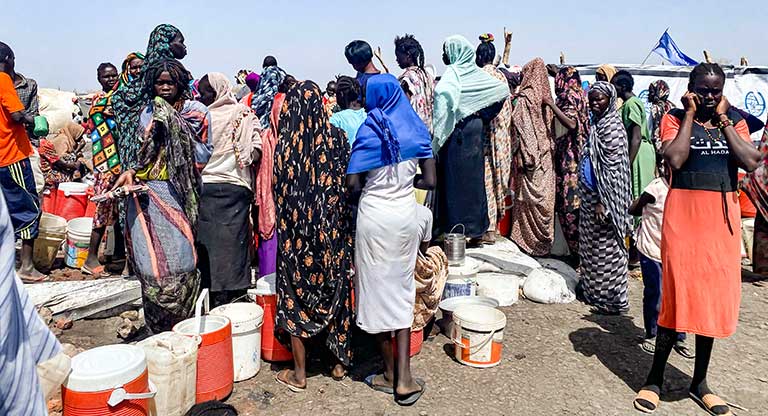
Since April 2023, Sudan has been facing a silent tragedy. More than 14 million people have fled their homes, making it the largest displacement crisis in the world today—yet it rarely makes the headlines.
11.58 million people remain internally displaced within the country, while nearly 4 million have crossed borders into neighboring countries such as Chad and South Sudan, seeking protection in contexts already marked by deep fragility.
©Paula Casado
©Paula Casado
©Paula Casado
The consequences are devastating:
- Hunger and collapse: The conflict has caused the collapse of basic services and protection systems, while famine continues to spread to new regions, leaving entire communities without sufficient access to food and livelihoods.
- Gender-based violence: Sexual violence continues to rise across Sudan. The number of women and girls in need of support after experiencing gender-based violence has nearly doubled in two years and quadrupled since the start of the war three years ago.
How do we respond?
We support displaced populations both within Sudan and in neighboring countries:
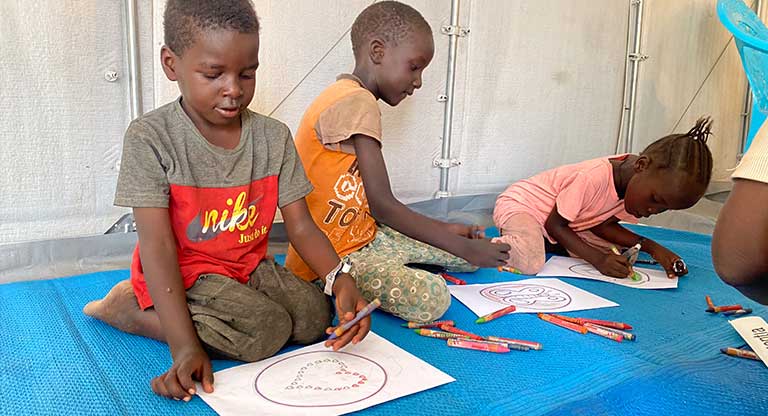
- In Chad: We focus on child protection and ensuring that refugee children can continue attending school in safe environments.
- In South Sudan: We prioritize mental health and psychosocial support in transit centers such as Renk, helping people heal the emotional wounds of war and rebuild their lives. Renk, a border town between Sudan and South Sudan, has become a key entry point for refugees and returnees displaced by the Sudan crisis since April 2023. More than one million people have crossed into Renk since the crisis began—80% of them returnees from South Sudan, and 20% refugees from Sudan, Eritrea, and Ethiopia.
Ukraine
From Emergency to Recovery
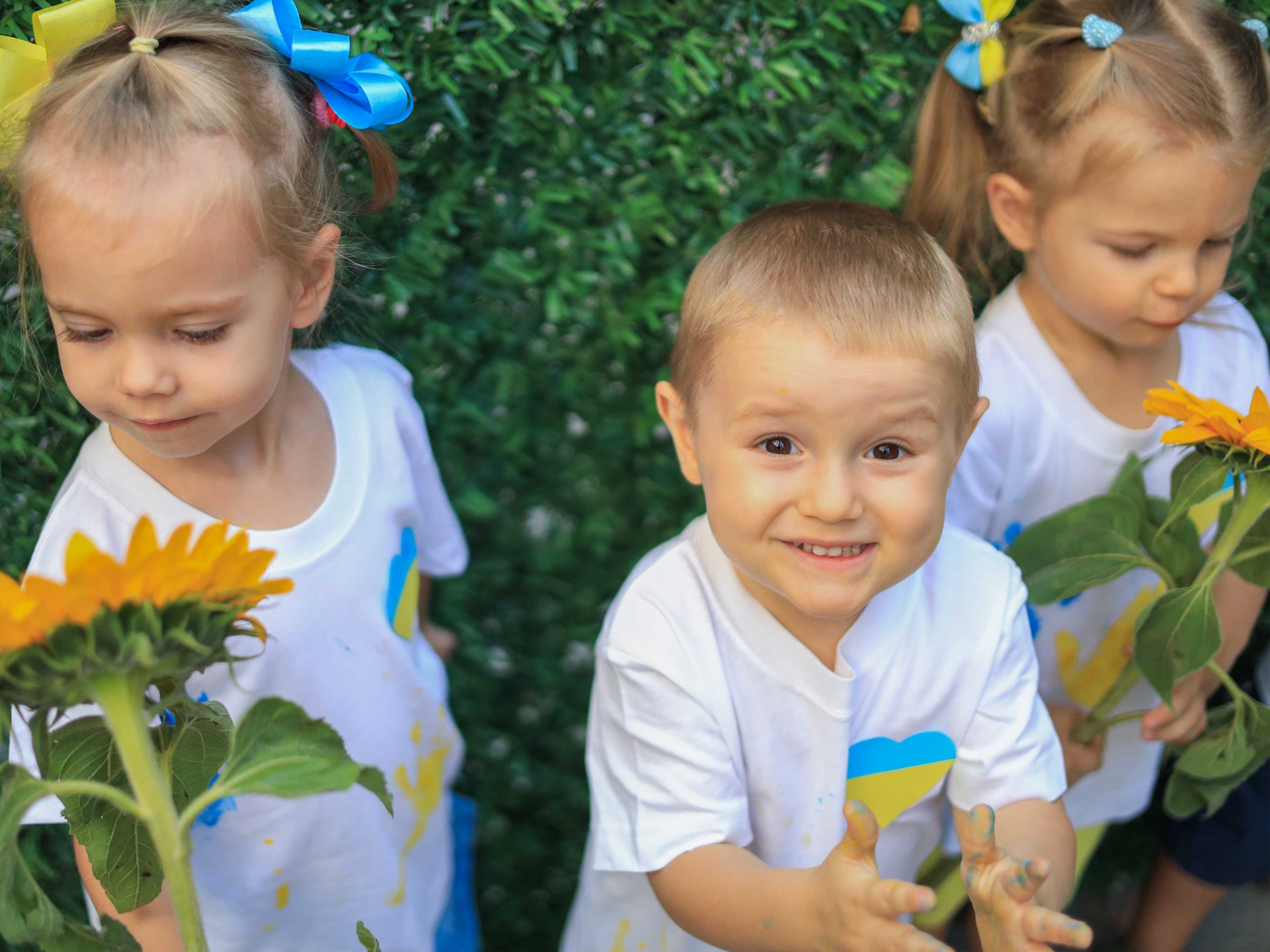
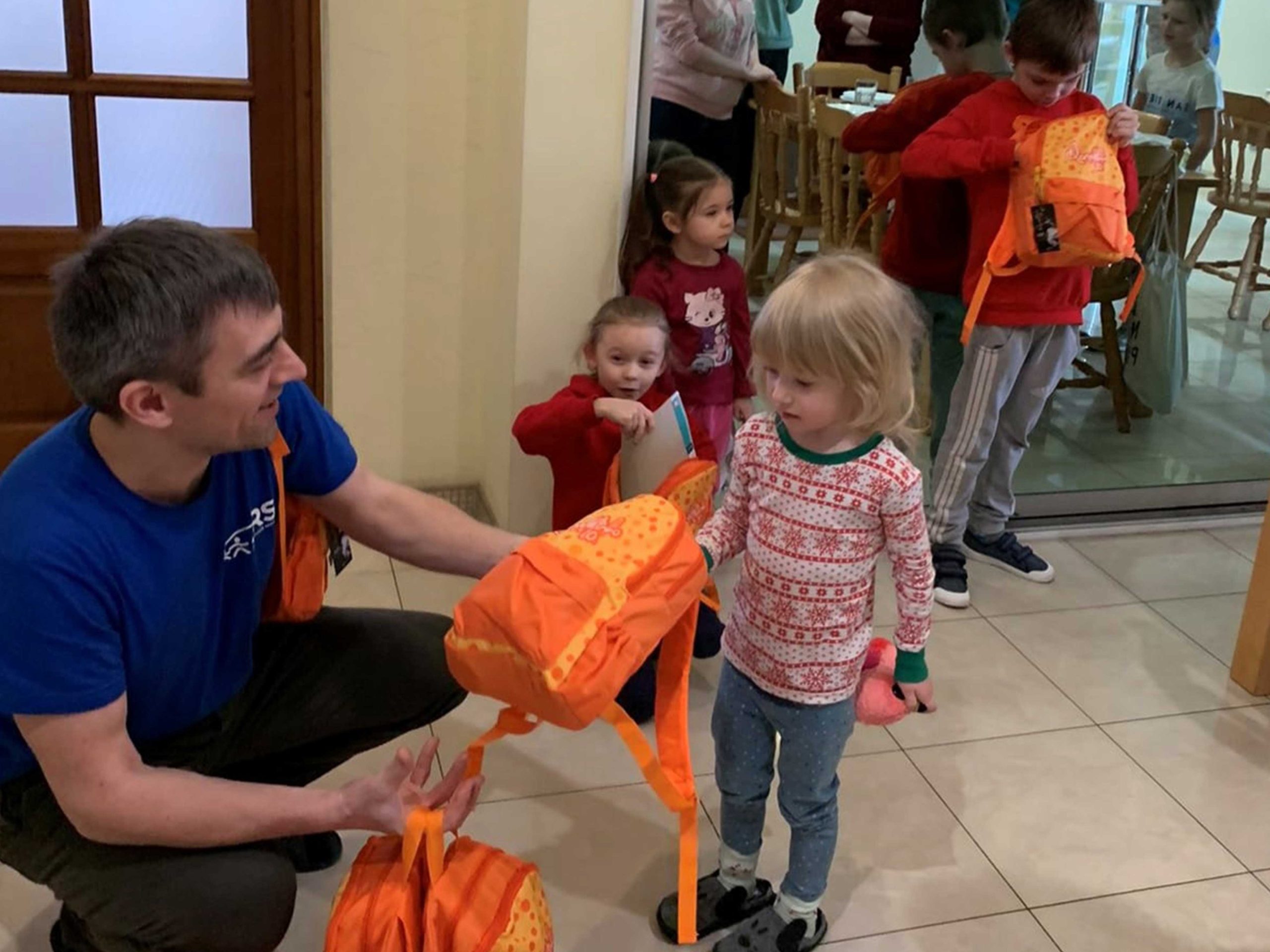
Years after the outbreak of the war, forced displacement in Ukraine remains one of the largest in Europe since 1945.
©JRS RUMANIA
©Vitaly
©JRS RUMANIA
- 9.6 million people have been displaced (3.7 million internally and 5.9 million refugees abroad)
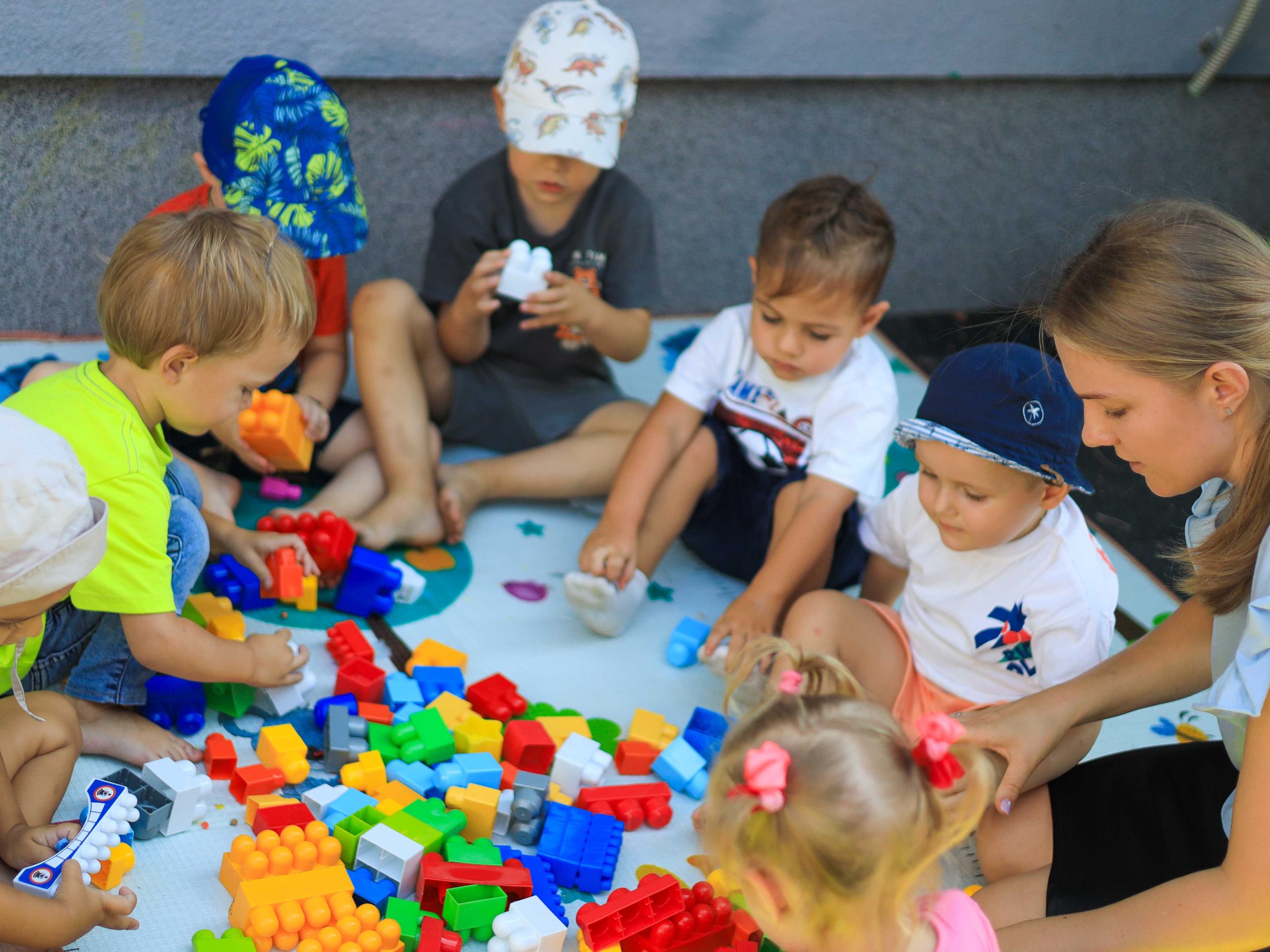
- One third of Ukrainian children are living away from their homes, facing deep trauma after repeated attacks on schools and hospitals
Beyond the initial emergency response, we are now working on resilience and integration for those who have lost everything. Together with JRS Europe, through the “One Proposal” programme, we have supported more than 150,000 people in Ukraine, Romania, Slovakia, Poland, and Hungary.
We not only provide essential aid, but also promote access to education, legal assistance, and community integration. We accompany each person on their journey from survival to a dignified and stable life.
D. R. Congo
Protecting Lives Amid Violence
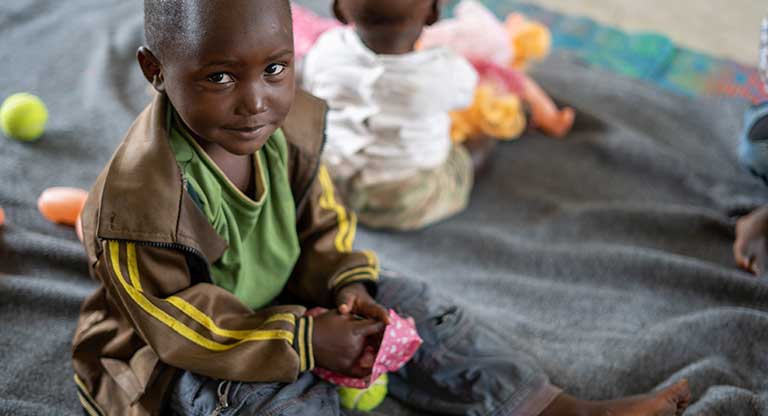
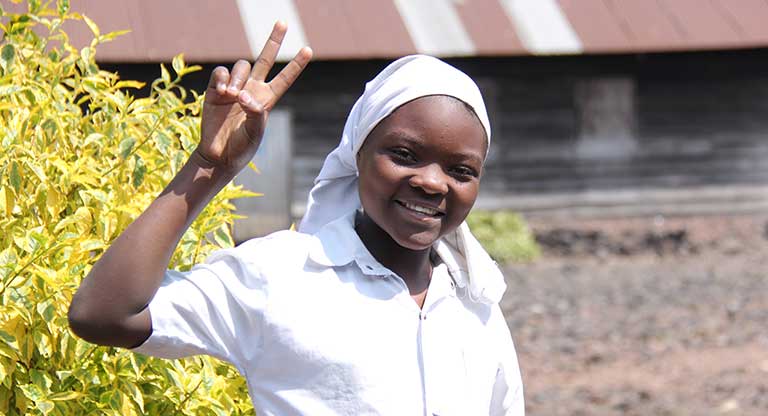
Violence in the eastern Democratic Republic of the Congo has reached alarming levels in 2025, leaving millions of people in extreme vulnerability.
©Irene Galera
©JRS RDC
©JRS RDC
Current situation:
- More than 6.4 million internally displaced people and thousands seeking refuge in neighboring countries
- Protection crisis: The civilian population lacks access to water and food, while women face extreme and persistent sexual violence
Our lines of action with JRS DRC
To respond to this situation, we work directly on the ground to:
/ 1 / Immediate assistance:
Distribution of food and basic items to newly displaced people
/ 2 / Health and healing:
Psychosocial support for war victims in Goma and Masisi, and comprehensive care for survivors of sexual violence
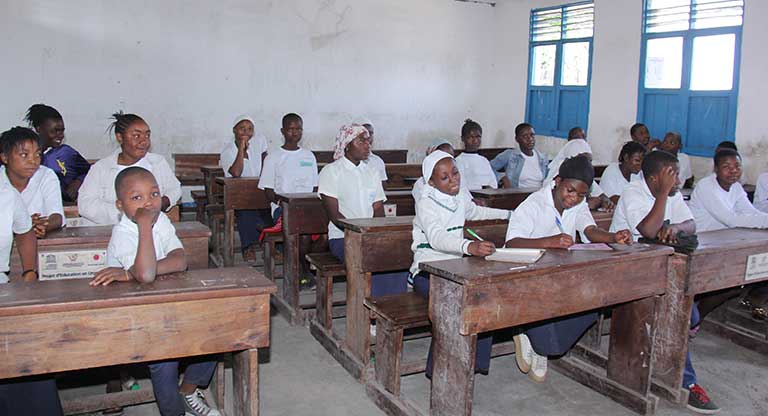
/ 3 / Educación y Futuro:
Education and future: Rehabilitation of damaged schools, protection of unaccompanied minors, and support for livelihoods so families can regain their autonomy
Colombia
Building Peace in an Ongoing Conflict
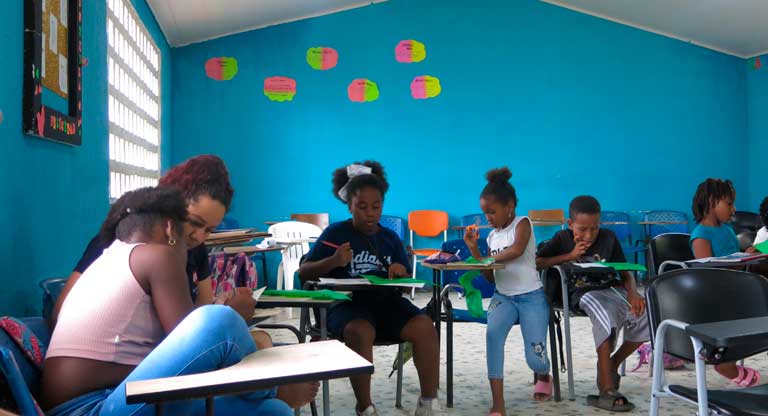
Despite peace efforts, violence in Colombia has intensified and expanded. By 2025, non-state armed groups were present in 60% of municipalities, with particularly severe impacts on ethnic communities in areas such as Buenaventura and Valle del Cauca.
An unprecedented displacement crisis:
- 2025 recorded the highest level of mass displacement in 18 years, with more than 191,000 people forced to flee their homes.
- Forced recruitment of minors has quadrupled in five years. Currently, it is estimated that every 20 hours, a child is recruited or used by armed groups.
©Gemma López
©Gemma López
©JRS Colombia
Our lines of action with JRS Colombia
Para combatir esta realidad, centramos nuestros esfuerzos en tres pilares fundamentales:
/ 1 / Schools as Refuge:
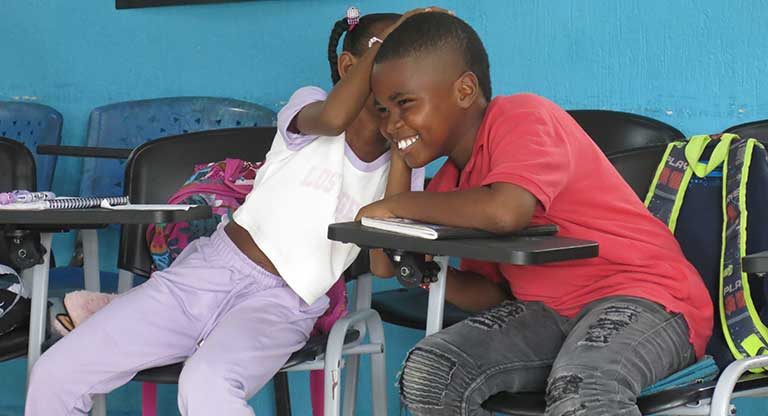
We promote education (formal and non-formal) as a protection strategy within schools, creating safe environments where children and adolescents are protected from recruitment and illegal activities.
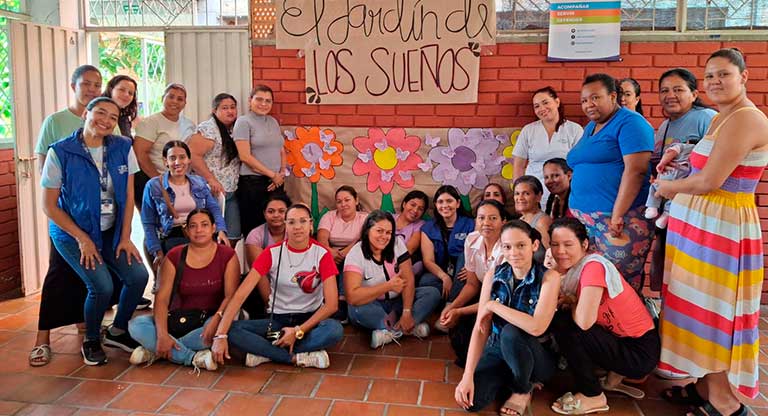
/ 2 / Support for families:
We accompany individuals and families in critical situations to ensure their fundamental rights are respected and their basic needs (food, healthcare, housing) are met.
/ 3 / Legal and psychosocial support:
We provide legal guidance and emotional support to displaced and confined communities, working with an approach that respects local culture and community practices to help rebuild the social fabric.
Education
saves lives
and protects.
©Irene Galera